DESIGN
As a design professor, I’m leading new individuals and new groups each semester – the dynamic is always changing. I am constantly having to adapt to expectations and what motivates young people. There is a fine line between guiding and stifling, giving space to fail while being an engaged mentor, offering feedback that is honest but energizing. I present complex concepts with warmth, context, and storytelling. I create project briefs and demos like these:
Brand strategy | surface design demo
Brand essence | package design demo
Brand experience | app design demo
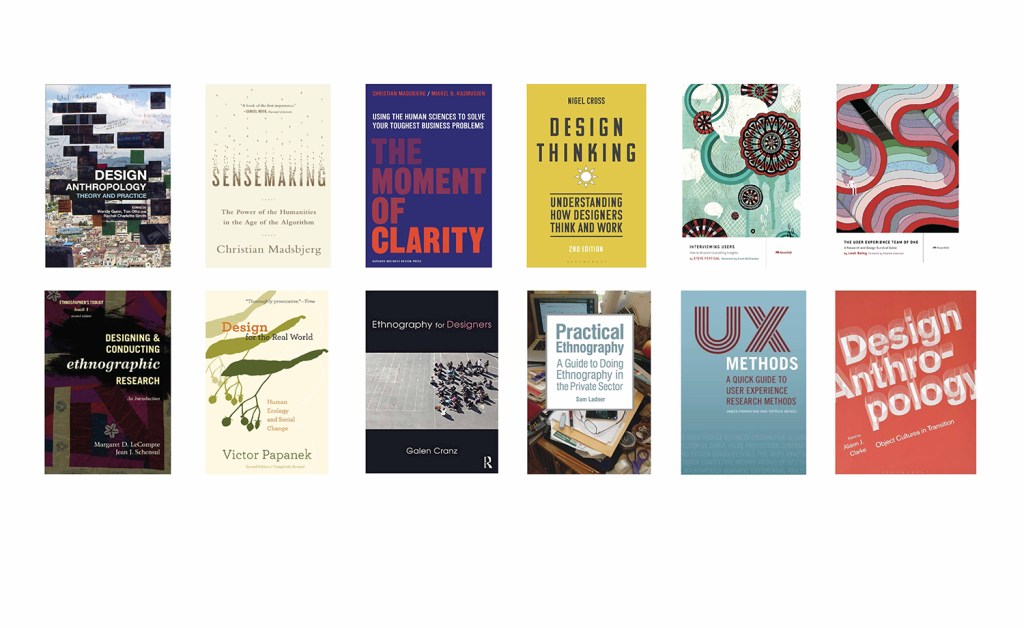
There are numerous resources that I utilize in my courses (a few shown below) helping design students to understand consumer needs, values, and experiences so they can design the best products and services.
Here are few ways that I teach human-centered design methods:
Approach 1: Instructor-lead prompt
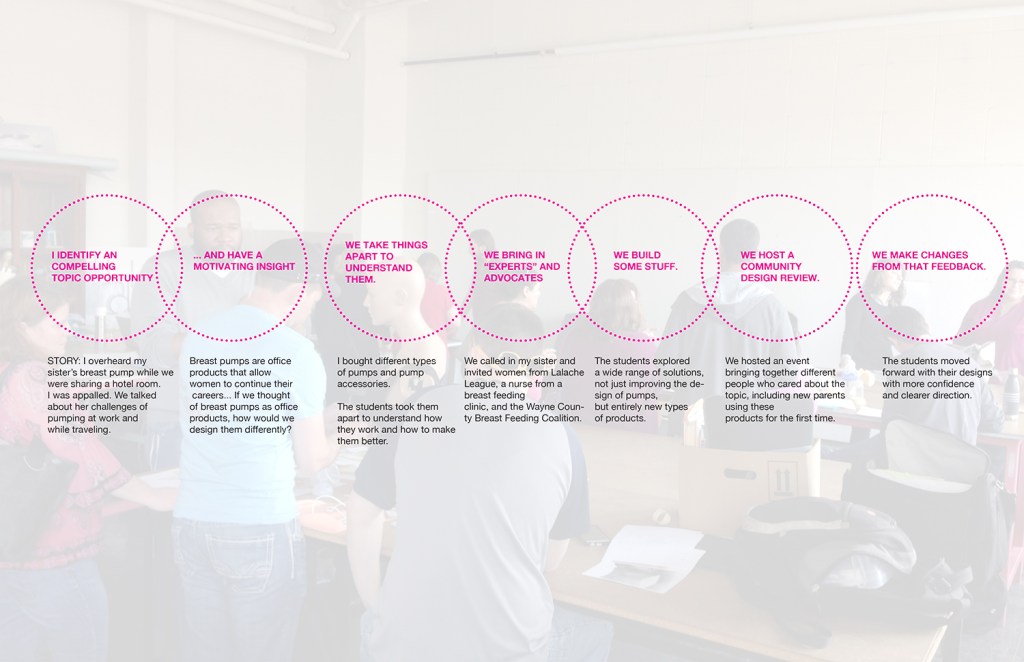
This approach usually starts with an insight. A friend or family member has a design problem or is using a product that is in some way falling short. That story becomes the basis for the project prompt. This diagram shows a breast pump redesign project, inspired by my sister.
Approach 2: Partner-lead prompt
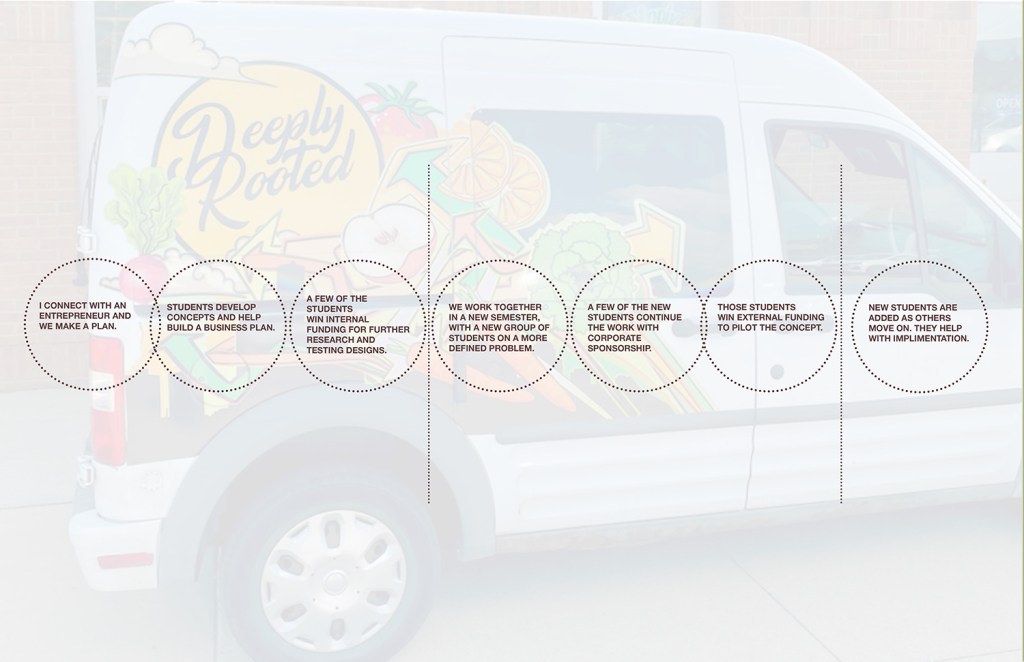
This type of approach is lead by the partnership. A local entrepreneur is looking for design support and they have some specific needs in mind that they think students could help with. The work with Deeply Rooted Produce is a great example of this type of approach, but I have brought in numerous other project partners for less complex project scopes, like taking a proof of concept to the next level, developing some mock-ups for an app or digital platform, or updating some packaging or graphics.
Approach 3: User-lead prompt
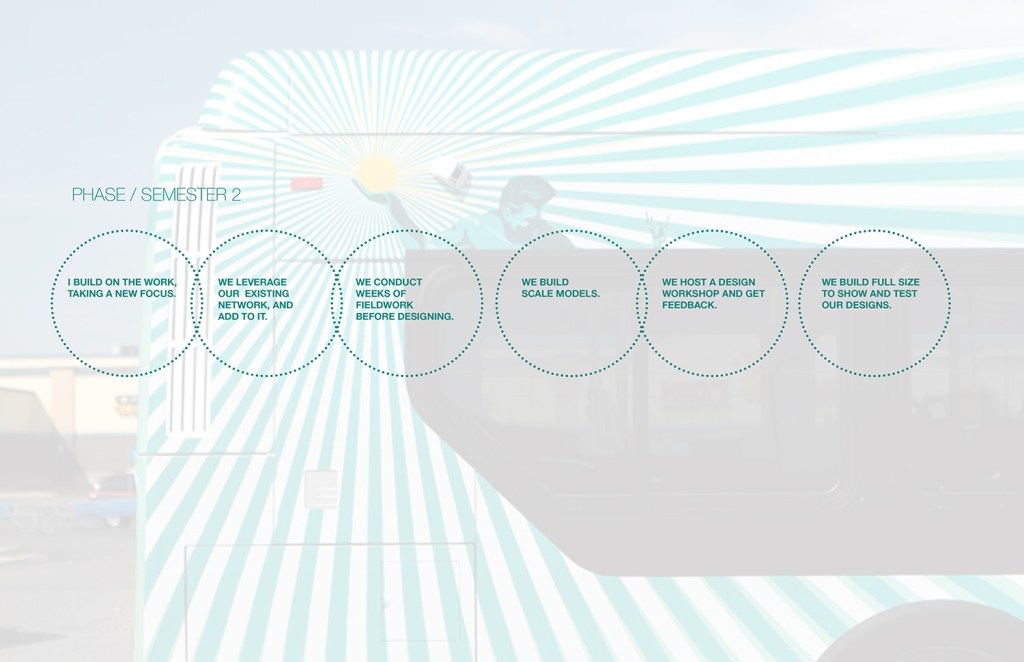
This approach usually starts with an external partner. They are someone with an idea or compelling problem space, or an entrepreneur looking to explore or develop a specific solution or series of solutions. Sometimes the topic can grow and extend into additional semesters and with new partners. The following two diagrams show a wheelchair accessories project, done in partnership with a local entrepreneur and members of the Rehab Institute of Michigan Quadriplegic Roundtable Group. I continued the project into another semester, partnering with Detroit Department of Transportation, focusing on envisioning accessible bus transit.

I love this about being a teacher of a creative discipline. My purpose is for my students to shine through their work and through what we accomplish together.
 siobhan gregory