BRAND PERSONALITY INTRODUCTION | PHYSICIANS FORMULA
Objective: Communicating Brand Values Through Package Design
Context: This project was created as a demonstration for undergraduate students in a Design Process course. The course is taken by BFA-Design majors concentrating in fashion design, interior design, industrial design, and graphic design, and business or engineering students minoring in design. The projects are flexible enough for all students to build applicable skills across the design disciplines.
Background: This project explores how brand language can inspire new design language for product form and graphics. Referencing Jennifer Aaker’s Brand Personality Framework, design students learn how human traits are regularly applied to brands. For example, a hair care brand describing their brand personality with words like honest, caring, fun, playful. Or using words like confident, glamorous, or active to convey their value proposition / promise to customers. Any of those words can inspire a new design direction.
In starting with language, students learn to translate abstract ideas into a tangible design for a branded health & wellness, cosmetic, or fragrance product package design. Each student starts by choosing an existing brand or branded product line or imagine a new one that is entirely their own creation.
STEP 1: Brand Investigation and Insights
Students are instructed to start by visiting some retailers, online and/or bricks and mortar stores. They spend some time looking at and thinking about the way the brand they are working on is sold within their retail category. They create an inspirational and informative board to summarize what they learned from their research. They think about: What stands out about the ways the brand is positioning itself? What language and word-use is standing out? What design language is standing out? What does the social media conversation look like? Where do you see unmet needs and opportunities for this brand?

The Physicians Formula brand is perfect for this type of assignment. In general, they are below the radar, persisting amidst the hype of emerging beauty brands. They are solidly established, practical and accessible, but less-noticed. They seem to have a strong social media presence and a steady amount of GRWM influencer praise. Most importantly for this project, they push further than other brands on a few of their packaging forms, creating distinct and memorable product identity (not not so much brand identity).
STEP 2: Voice of the Customer Research
We next conduct voice of the customer interviews / conversations to get some direct thoughts, opinions, reactions, experiences about the brand. These can be friends or family members if that makes it easier. The interviews can happen in-person, virtually, of through written exchange.

I encourage the students to ask straightforward questions like: What do they know about the brand? What do they like or not like? What are their impressions? What stands out to them most? How would they describe the personality of the brand? Using Miro, they cluster their findings and then describe their themes in 1-2 sentence statements.
STEP 3: Brand Personality Statement
The students then pause and write a short (2-3 sentence) paragraph describing the personality of the brand. I challenge them to think in terms of human personality traits, not in terms of product attributes. For example, a brand personality statement might say, “Brand X is honest, fun-living, and adventurous. They care about people and the planet.” A brand personality statement would NOT say, “Brand X makes your hair silky and smelling great.”
Example of a Brand Personality Statement
“Physician’s Formula is conscientious and methodical in their decision making. They don’t make rash decisions and always do their research. For them, the research process is fulfilling and joyful, especially when it is grounded in science and earth’s wonders. They can’t get enough Discovery channel. They care deeply about the earth, humanity, and the economy and understand that impossible balance. They do their best anyway to make informed decisions. When it comes to health and beauty, they are often brand agnostic. When they find a good thing they tend to stick with it, but allow themselves some room to explore as long as they can stick within their budget. When it comes to fashion and style, they keep it simple and functional (e.g. pockets over purses, always).“
STEP 4: Abstract Form Exploration
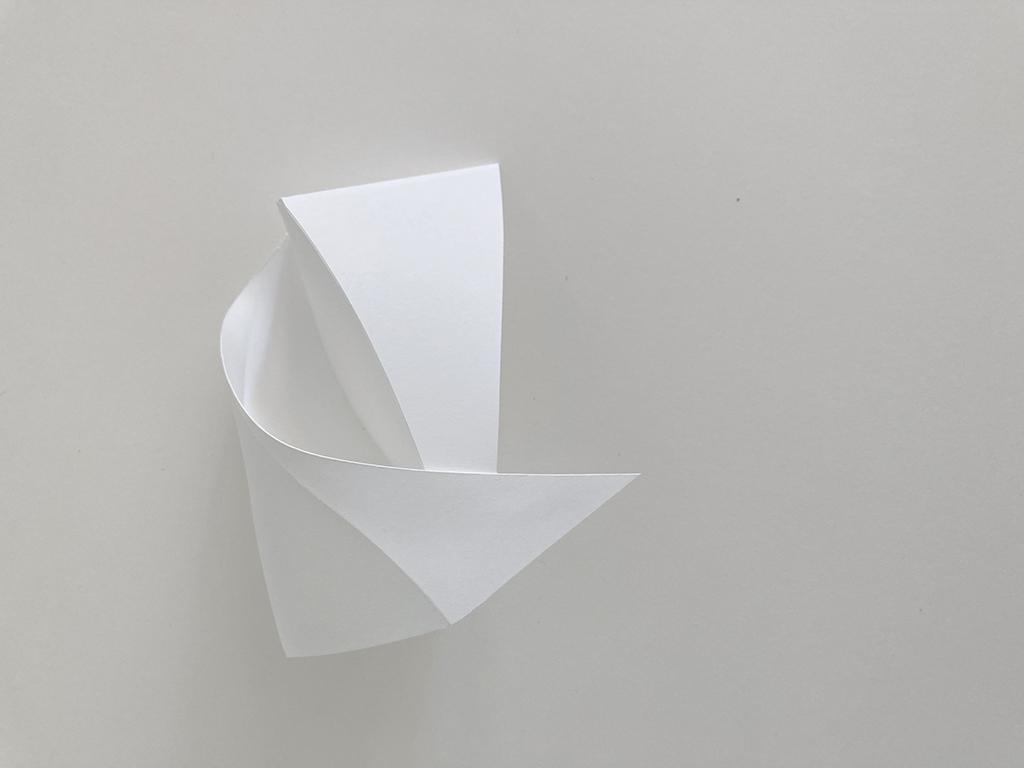
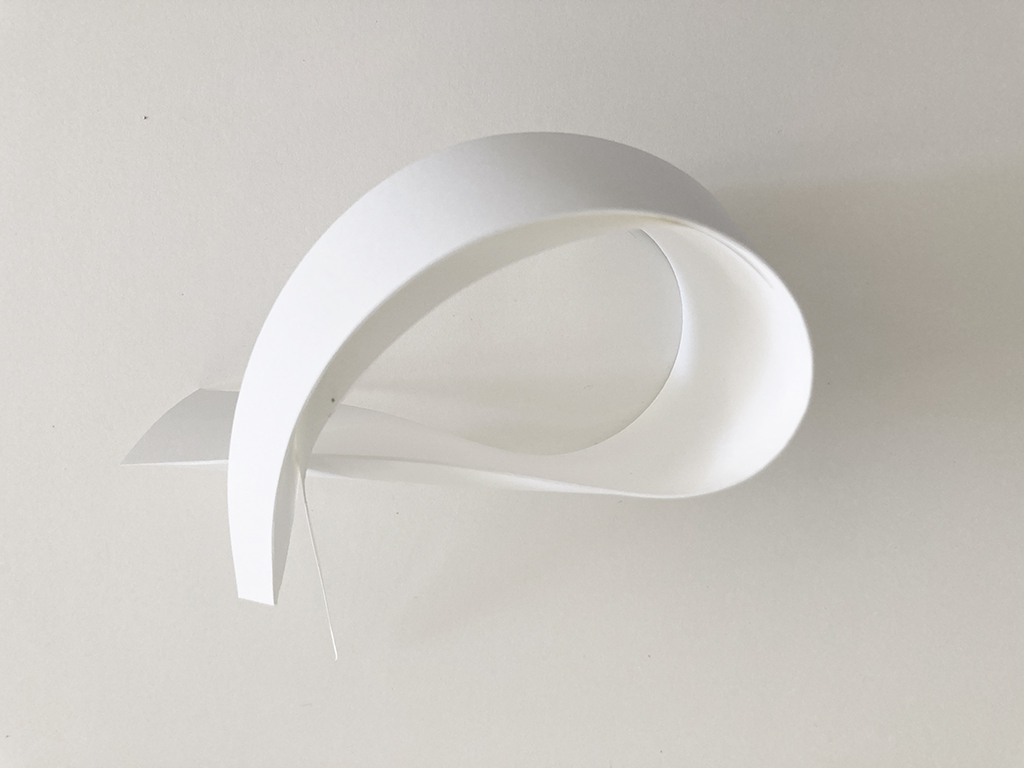
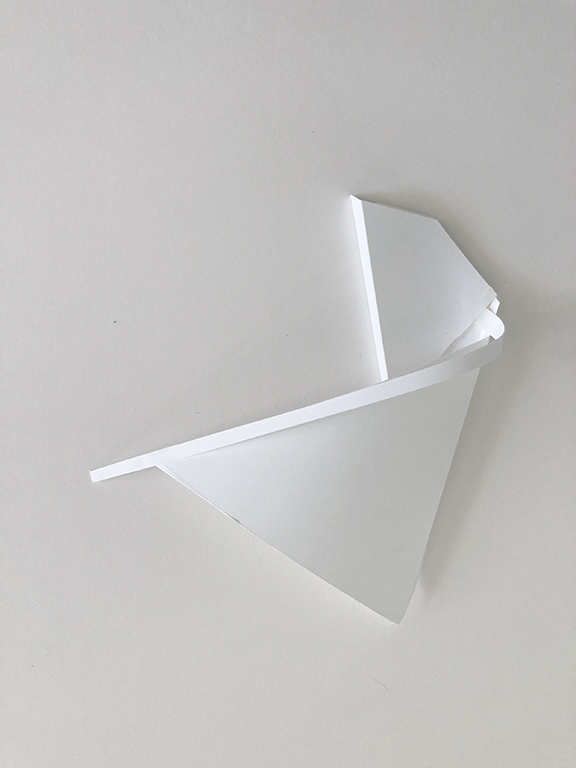
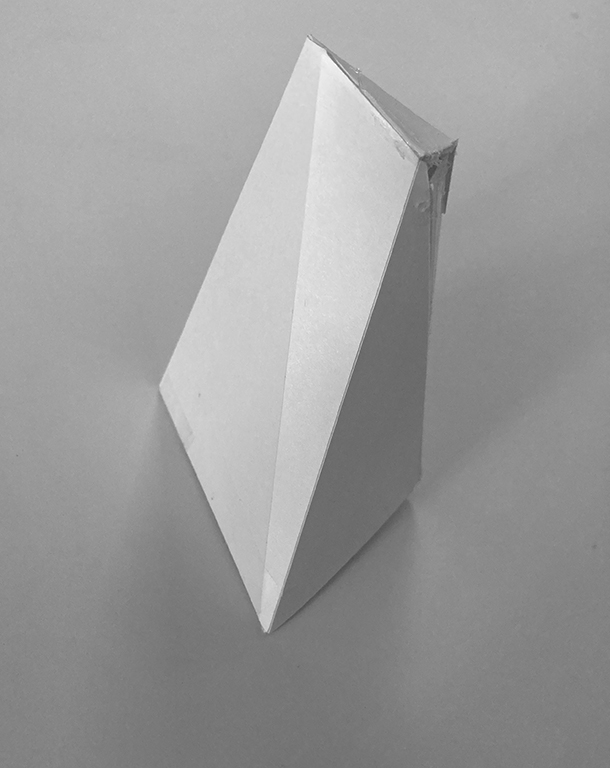
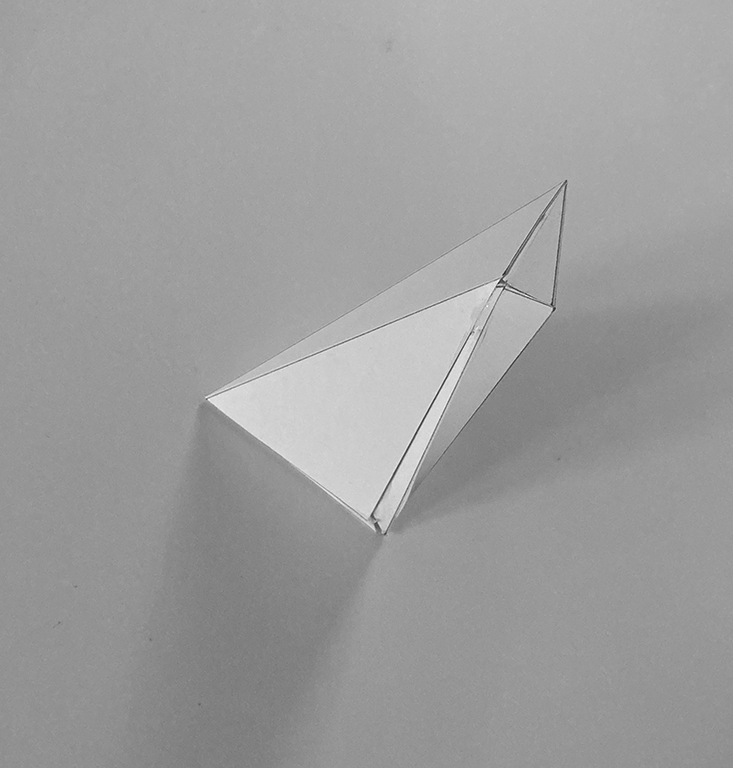
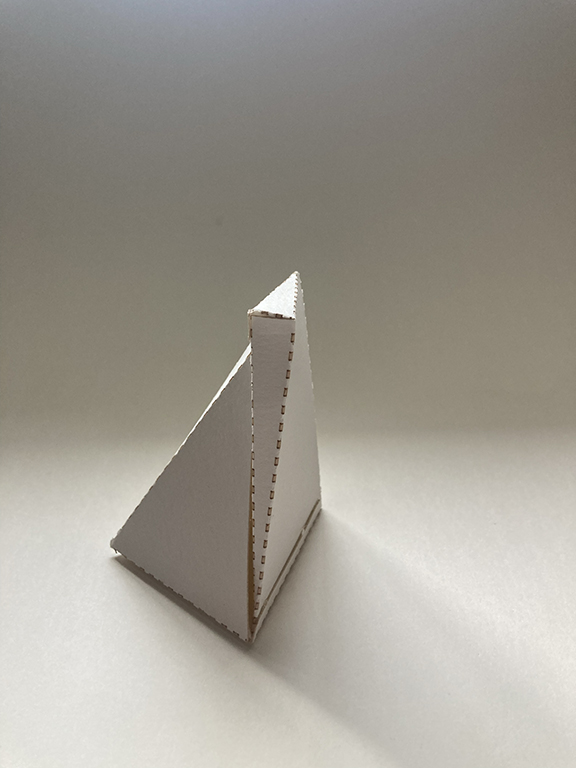
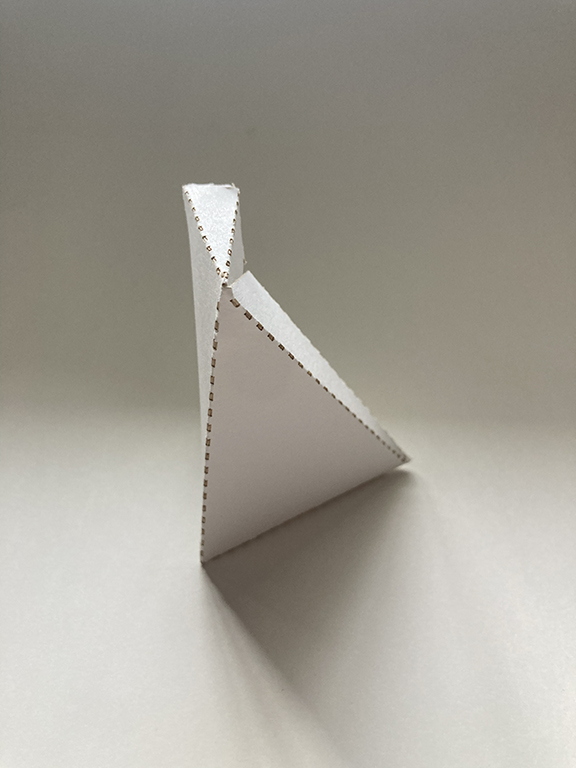
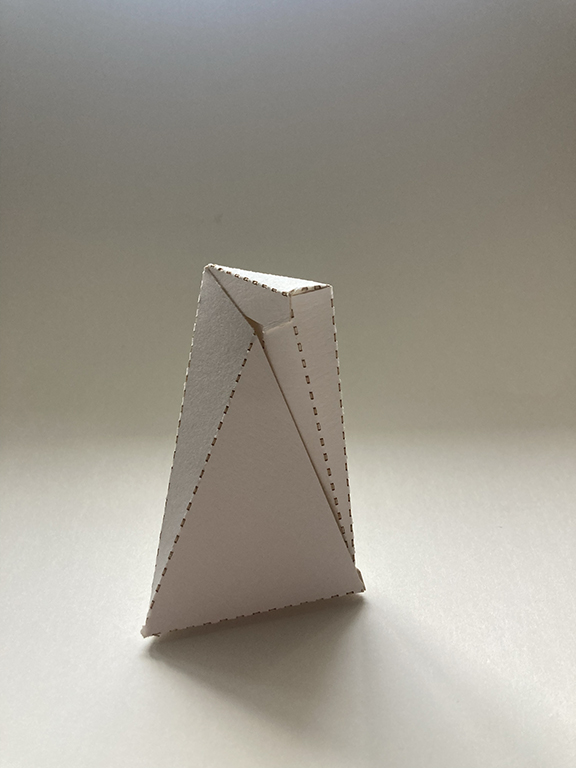
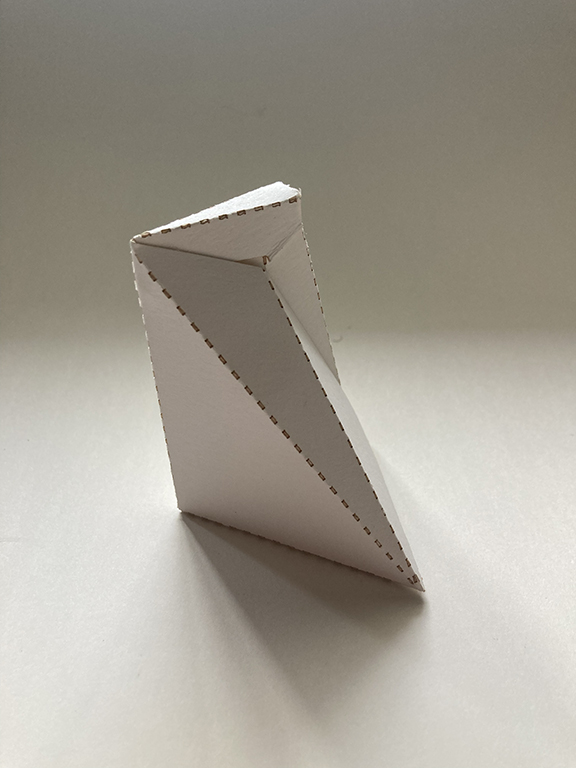
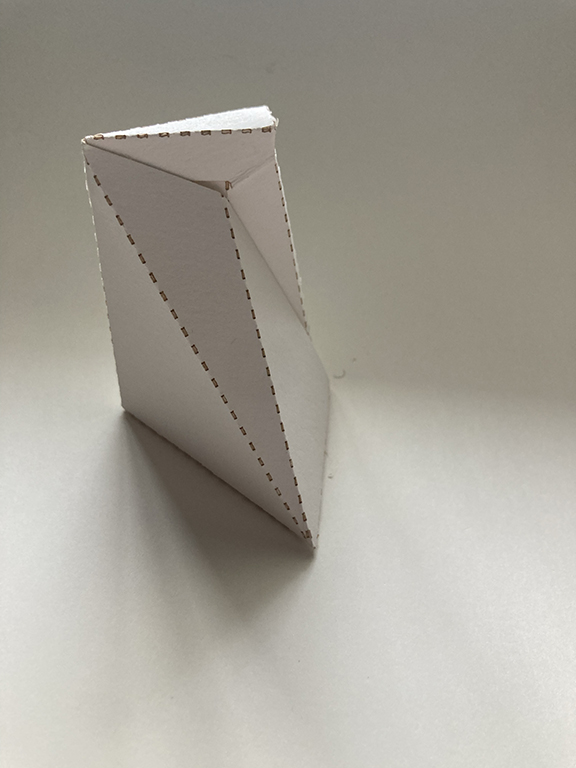
From the brand personality statement, the students create a list of 5 personality words that are used to strengthen the message of the brand while giving direction to the design work. Students are limited to white cardstock or bristol board to make a minimum of 5 abstract form studies, inspired by their word list. The work but be completely abstract, taking a function follows form approach. The words used in the demo were: earthly, evolving, conscientious, gentle, and rigorous.



STEP 5: Construction Models
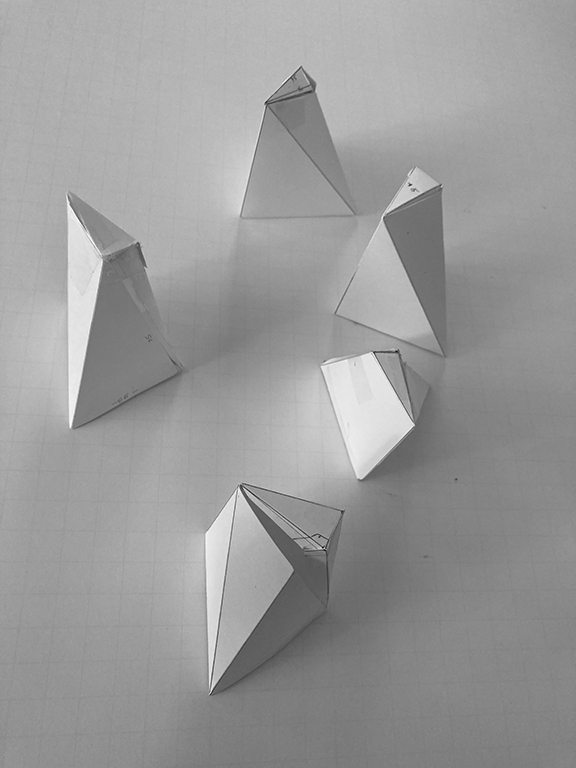
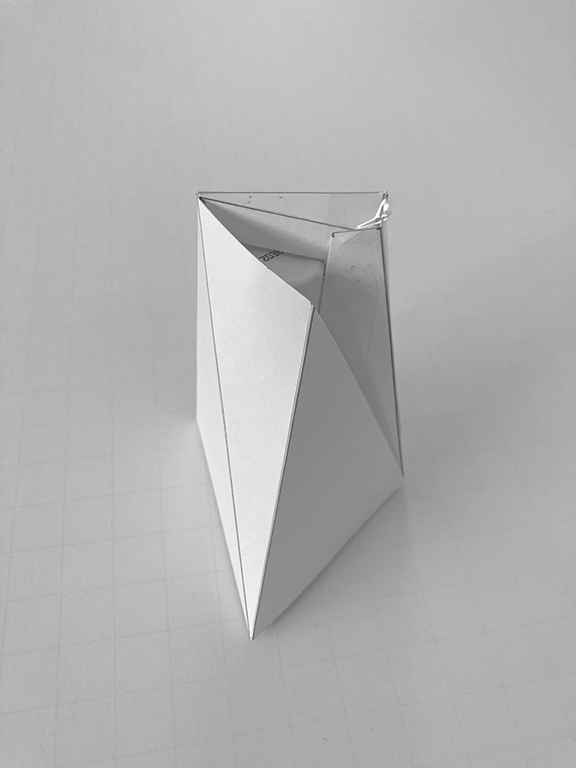
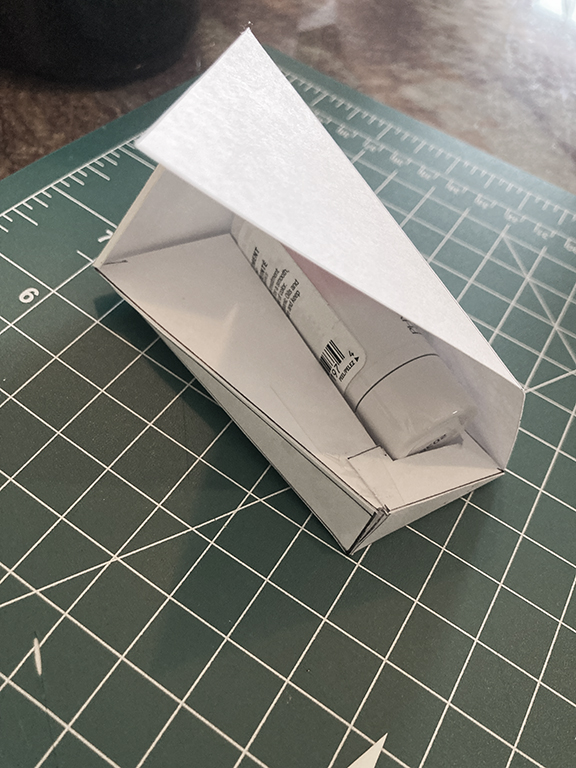
Students choose the most successful abstract form studies, or elements from them, as a starting point for further development, that could lead to a final functional design. They try out different shapes and functional aspects of the design. Translating an abstract form into a functional design is one of the most important factor here. They need to figure out how the package opens and closes, sits or stands; what will be the front, back, or sides, how they keep the product from moving around inside, size and proportions, etc. They are encouraged to try and make their design work using one sheet of material.

STEP 6: Final Form and Graphics
When students get to a point where their design is resolved, they create a dieline in Adobe Illustrator providing the necessary information for printing, cutting, and scoring or folding. As they develop and apply graphics, they think carefully about the brand personality, considering what type of information to share and how that reinforces the brand personality: a tagline, instructions for use, the story of the brand or founder, key ingredients, the brand values and any notable attributes. When considering the final form, they think about how their design gives people an engaging experience with your product, encourage people to try something new, communicating newness and relevancy, is the design easy to display, read, understand, handle, open / close, store, etc.


 siobhan gregory