DESIGN MAKES CHANGE

BACKGROUND
I created DesignMakesChange with two other designers, Janalyn Kidd and Wendy Uhlman. Our mission was to partner with organizations, community leaders, businesses, and education bodies to organize and support two design competitions to address environmental, social, and infrastructural issues in Chicago.
We saw a gap in design challenge prompts that were often too vague and did not address local issues. We saw Chicago as a mirror to so many issues prevalent in other American cities and around the world: industries that support us also hurt our air, water, and soil; issues of violence and inadequate food access; housing insecurity and educational disparities. We wanted to encourage local designers to understand these challenges in their city and invest through design.
HOW IT WORKED
We created prompts that were hyper-local and invited professionals and students in industrial design, graphic design, environmental/space design, interior architecture, and architecture to come to the table, get recognized, and win some money to move their projects forward.
Jurors came from the fields of design, environmental policy, community development, urban planning, medicine, and other relevant fields pertaining to the topic and neighborhood focus. The jury provided a holistic perspective to recognize the designs with the greatest potential for implementation and success.
ACCOMPLISHMENTS
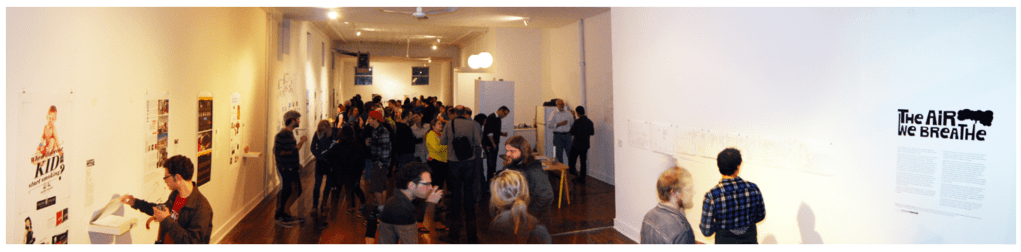
“The Air We Breathe” design challenge brought attention to residents in Pilsen and Little Village and their fight for a clean power ordinance. Residents of Pilsen and Little Village were living below two coal powered plants that regularly emitted lead and other toxins into the air. High rates of asthma and other air-quality illnesses exist in these communities. Wealthier Chicago residents to the north didn’t even know about the coal plants. Entries came from across the globe. The challenge culminated with a gallery exhibit and symposium in Pilsen and an exhibit at NeoCon.

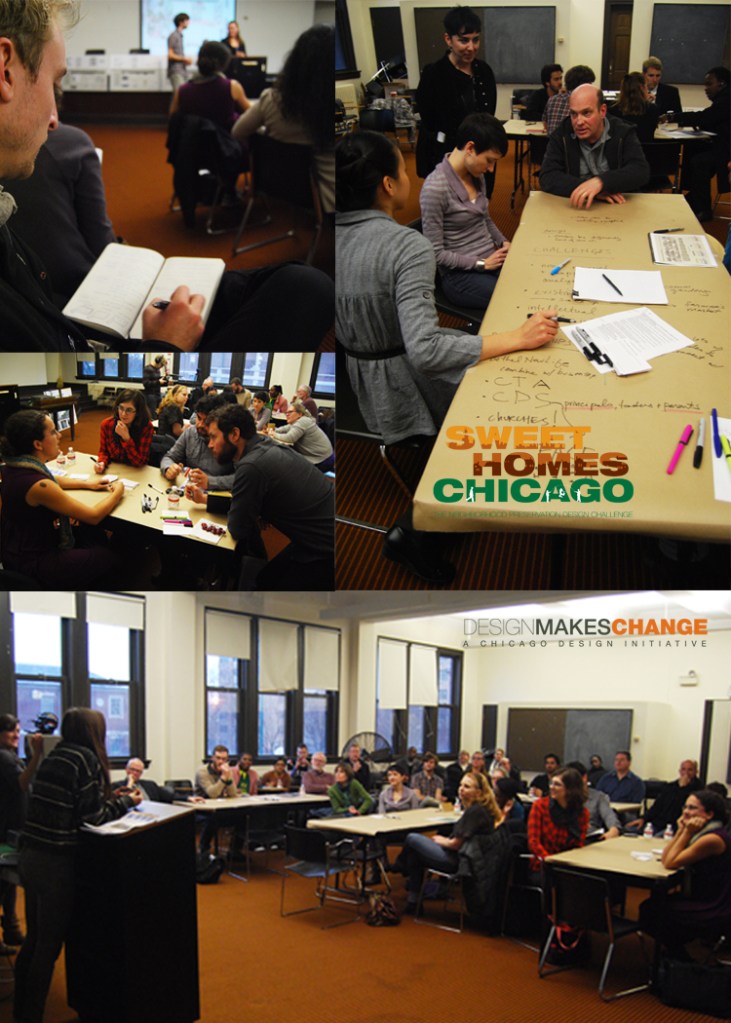
Our second challenge, “Sweet Homes Chicago: The Neighborhood Preservation Design Challenge” asked regional designers to propose solutions to address neighborhoods that were struggling with high rates of home foreclosure and financial divestment. The Austin neighborhood on the Westside of Chicago had the highest rates of foreclosure in the country at that time and was one example of a community that was working hard to persevere in the face of the housing crisis.
Submissions came from disciplines ranging from architecture and urban planning from the professional and high school levels and were judged by a multi-disciplinary jury. I had already been working in Austin and Austin Coming Together and the South Austin Coalition Community Council helped us. This time, instead of a symposium, we focused on running a collaborative workshop. More here.
 siobhan gregory